


Embark on a journey of creativity and innovation with our Top home lighting design ideas for ambiance. Lighting plays a crucial role in setting the mood and ambience of any space, making it essential to explore the various options available.
From different types of fixtures to techniques for creating the perfect ambiance, this guide is your gateway to transforming your home into a stylish haven of light.
Introduction to Home Lighting Design
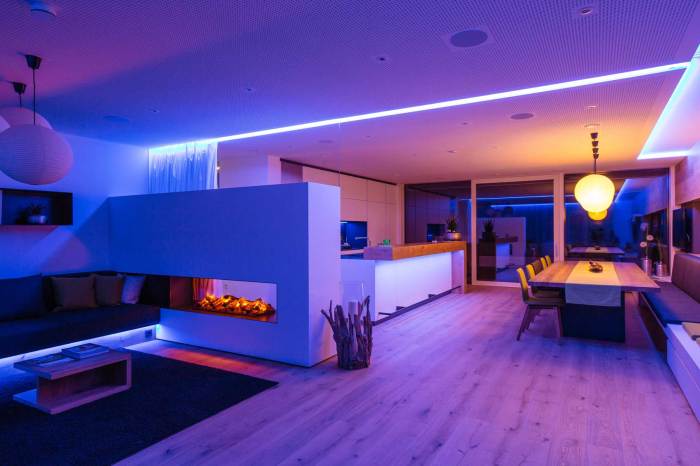
Lighting plays a crucial role in creating ambiance within a space, setting the mood, and enhancing the overall aesthetic appeal. It is an essential element in interior design, with the power to transform the look and feel of a room.
The Importance of Lighting in Interior Design
Proper lighting design can highlight architectural features, artwork, and furniture, creating a cohesive and visually pleasing environment. It also helps to define the functionality of a space, whether it's for work, relaxation, or social gatherings.
Impact of Lighting Design on the Overall Feel of a Space
- Lighting can influence the perceived size of a room, making it appear larger or cozier based on the intensity and placement of lights.
- Color temperature and brightness of lights can affect the mood of the space, with warm tones creating a cozy atmosphere and cool tones promoting a sense of openness.
- Task lighting, ambient lighting, and accent lighting all contribute to the overall ambiance and functionality of a space, allowing for different lighting effects based on the activities taking place.
Types of Lighting Fixtures
When it comes to creating ambiance in your home, the type of lighting fixtures you choose can make a significant difference. Each type of fixture serves a specific function while also adding to the overall aesthetic appeal of the space.
Chandeliers
Chandeliers are elegant lighting fixtures that hang from the ceiling, typically featuring multiple bulbs or candles. They are perfect for adding a touch of luxury and sophistication to dining rooms, living rooms, or entryways. Chandeliers can create a focal point in a room and provide ambient lighting that sets the tone for the space.
Sconces
Sconces are wall-mounted fixtures that can be used to add both ambient and task lighting to a room. They are versatile and can be placed in hallways, bedrooms, or bathrooms to create a warm and inviting atmosphere. Sconces can also be used to highlight artwork or architectural features in a space.
Recessed Lights
Recessed lights, also known as can lights or pot lights, are fixtures that are installed into the ceiling, providing a clean and modern look. They are perfect for illuminating specific areas in a room, such as kitchen counters, bathroom vanities, or hallways.
Recessed lights can create a subtle and seamless lighting effect that enhances the overall ambiance of a space.
Lighting Techniques for Ambiance
Creating ambiance through lighting involves strategic techniques to enhance the mood and atmosphere of a space. By utilizing various lighting methods, you can transform your home into a cozy retreat or a vibrant gathering place.Layering Lighting for Different Effects:Layering lighting is a key technique for achieving ambiance.
This involves combining different types of lighting fixtures to create depth and dimension in a room. By integrating ambient, task, and accent lighting, you can establish a well-balanced environment that caters to different needs and activities.Use of Dimmers and Smart Lighting:Dimmers and smart lighting systems offer flexibility in adjusting the intensity and color of light to suit different occasions.
Dimmers allow you to control the brightness of the lights, while smart lighting enables you to set customized lighting scenes through smartphone apps or voice commands. This allows for easy transition between bright, functional lighting and soft, ambient illumination.Positioning Lights to Highlight Features:Strategic placement of lights can draw attention to architectural elements or focal points in a room.
By positioning lights above or below key features such as artwork, plants, or architectural details, you can create visual interest and enhance the overall ambiance. Additionally, placing lights near seating areas or along pathways can contribute to a warm and inviting atmosphere.
Light Color Temperature and Ambiance
Light color temperature refers to the warmth or coolness of light emitted by a bulb, measured in Kelvin (K). The color temperature of light can greatly impact the mood and ambiance of a room.
Warm vs. Cool Light Temperatures
When aiming for a cozy and inviting ambiance, warm light temperatures ranging from 2700K to 3000K are ideal. These temperatures mimic the warm glow of traditional incandescent bulbs and are perfect for spaces like living rooms, bedrooms, and dining areas.On the other hand, cool light temperatures, typically above 3500K, create a more energizing and refreshing ambiance.
They are best suited for task-oriented areas like kitchens, home offices, and bathrooms where bright, white light is needed for better visibility.
Adjusting Color Temperature for Specific Ambiance
- To create a relaxing ambiance in a bedroom, opt for warm light with a color temperature of around 2700K. This will help promote a sense of calm and comfort.
- For a workspace that requires focus and productivity, choose cool white light in the range of 4000K to 5000K. This will help reduce eye strain and keep you alert.
- In a dining room where you want to set a cozy and intimate mood, consider using dimmable lights that can be adjusted from warm to cool temperatures depending on the occasion.
Overall, understanding and manipulating light color temperature is a powerful tool in shaping the ambiance of your home to suit different activities and moods.
Lighting Design Ideas for Different Rooms
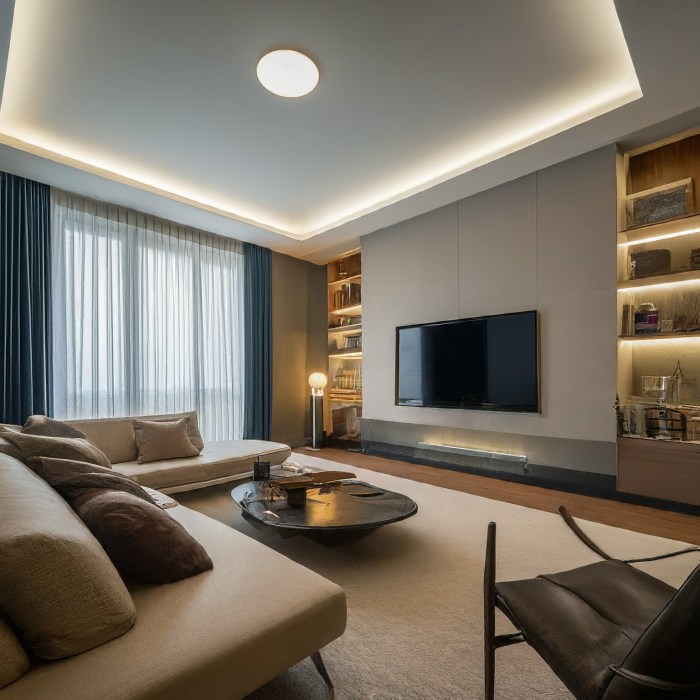
When it comes to lighting design for different rooms in your home, it's essential to consider the function and mood you want to create in each space. Here are some specific lighting design ideas for living rooms, bedrooms, kitchens, and bathrooms, along with tips on how to tailor lighting to suit the purpose of each room.
Living Room
- Consider using a combination of overhead lighting, floor lamps, and table lamps to create layers of light for different activities such as reading, watching TV, or entertaining guests.
- Install dimmer switches to adjust the brightness according to the time of day and desired ambiance.
- Use wall sconces or picture lights to highlight artwork or architectural features in the room.
Bedroom
- Opt for soft, warm lighting to promote relaxation and a cozy atmosphere in the bedroom.
- Place bedside table lamps for reading or task lighting, and consider incorporating a statement chandelier or pendant light for a touch of elegance.
- Install dimmable lights to adjust the brightness for different activities such as getting ready in the morning or winding down at night.
Kitchen
- Utilize under-cabinet lighting to illuminate countertops and provide task lighting for food preparation.
- Install pendant lights above kitchen islands or dining areas to create a focal point and add visual interest.
- Consider using LED strip lights to highlight shelves or glass cabinets for a modern touch.
Bathroom
- Choose bright, white lighting for grooming tasks such as applying makeup or shaving.
- Install wall sconces on either side of the mirror to eliminate shadows and provide even lighting for facial care routines.
- Incorporate waterproof LED fixtures in the shower or above the bathtub for a spa-like ambiance.
Integrating Natural Light into Home Lighting Design
Natural light plays a crucial role in creating a warm and inviting ambiance in any space. It not only brightens up the room but also enhances the overall mood and atmosphere. Here are some ways to effectively integrate natural light into your home lighting design:
Maximizing Natural Light
- Utilize sheer curtains or blinds to allow natural light to filter through while maintaining privacy.
- Position mirrors strategically to reflect and amplify natural light throughout the room.
- Consider installing skylights or light tubes to bring in additional natural light from above.
Balancing Natural and Artificial Light
- Use a combination of natural and artificial light sources to create a layered and dynamic lighting scheme.
- Adjust window treatments to control the amount of natural light entering the room based on the time of day and desired ambiance.
- Experiment with different light fixtures and placements to complement and enhance the natural light in the space.
Closing Summary
In conclusion, the art of lighting design offers endless possibilities to elevate the ambiance of your home. By incorporating these top ideas and techniques, you can create a warm, inviting atmosphere that reflects your unique style and personality. Let your home shine bright with the perfect lighting design.
Query Resolution
How can I effectively layer lighting to create ambiance?
To achieve a layered lighting effect, combine different types of fixtures such as recessed lights, sconces, and floor lamps at varying heights to add depth and dimension to the room.
What are the best light color temperatures for creating a cozy atmosphere?
Warm light temperatures (around 2700K to 3000K) are ideal for creating a cozy and inviting ambiance in spaces like living rooms and bedrooms.
How can I integrate natural light into my lighting design effectively?
Maximize natural light by using sheer curtains or blinds to allow sunlight in while strategically placing mirrors to reflect light and brighten up the space.