

Embark on a journey into the future of home design with Modern minimalist home design ideas 2025, where simplicity meets cutting-edge technology to create spaces that are both functional and aesthetically pleasing.
Delve into the world of modern minimalist design as we explore key elements, color schemes, furniture choices, smart home integration, spatial layout, and sustainable practices that define the homes of tomorrow.
Overview of Modern Minimalist Home Design Ideas 2025
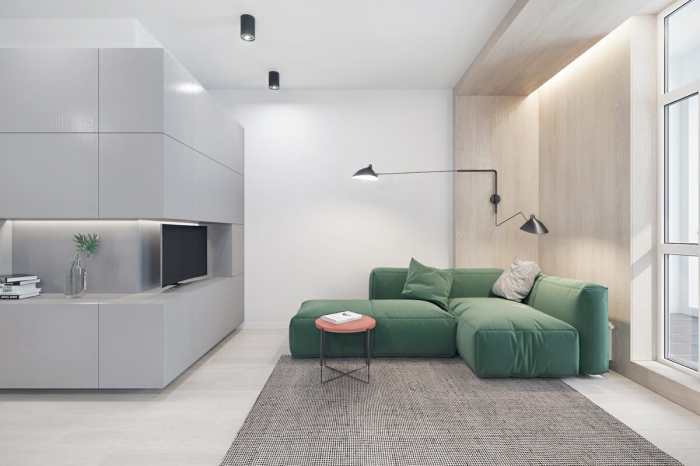
Modern minimalist design is a style that focuses on simplicity, clean lines, and a clutter-free environment. It emphasizes the use of minimal furniture, neutral color palettes, and functional spaces to create a sleek and sophisticated look.
Key Elements of Modern Minimalist Design
- Simple and clean lines: Minimalist design avoids ornate details and focuses on clean, straight lines for furniture and architectural elements.
- Neutral color palette: Colors like white, beige, gray, and black are commonly used in modern minimalist homes to create a sense of calm and coherence.
- Functional furniture: Furniture pieces are selected for their functionality and practicality, with a focus on quality over quantity.
- Open spaces: Minimalist homes often feature open floor plans that promote a sense of airiness and flow throughout the space.
- Natural light: Large windows and skylights are essential in modern minimalist design to maximize natural light and create a bright and inviting atmosphere.
Importance of Incorporating Technology in Modern Minimalist Homes
Incorporating technology into modern minimalist homes can enhance the overall living experience and make daily tasks more convenient. Smart home devices, energy-efficient appliances, and automated systems can help streamline operations and improve the functionality of the space. From smart thermostats to integrated sound systems, technology can seamlessly blend into the minimalist aesthetic while adding a touch of modernity and sophistication.
Color Schemes and Materials
When it comes to modern minimalist home design in 2025, color schemes and materials play a crucial role in achieving a sleek and sophisticated look while prioritizing sustainability.
Trending Color Schemes
- Neutral Palette: Shades of white, beige, gray, and taupe continue to dominate modern minimalist design, creating a sense of calm and simplicity.
- Earthy Tones: Incorporating colors inspired by nature such as soft greens, warm browns, and muted blues can add warmth and depth to a minimalist space.
- Pop of Color: While the overall color scheme remains neutral, adding a pop of bold color like mustard yellow, terracotta, or navy blue can create visual interest and personality.
Sustainable Materials
- Bamboo: Known for its fast growth and renewability, bamboo is a popular choice for flooring, furniture, and decor in modern minimalist homes.
- Recycled Glass: Utilizing recycled glass for countertops, backsplashes, and decorative accents not only adds a unique touch but also reduces waste.
- Cork: Sustainable and eco-friendly, cork is an excellent material for flooring, wall coverings, and furniture due to its natural insulating properties.
Natural Light Impact
Natural light is a key element in modern minimalist design as it enhances the overall aesthetic and ambiance of a space. When choosing color schemes, it's important to consider how natural light will interact with the colors:
- Light Reflectivity: Lighter colors reflect natural light, making a space feel brighter and more open.
- Warm vs. Cool Tones: Natural light can affect the perception of warm and cool tones, so it's essential to test paint swatches in different lighting conditions.
- Daylight Changes: The intensity and direction of natural light change throughout the day, impacting the way colors appear in a room.
Furniture and Decor
In a modern minimalist home, furniture and decor play a crucial role in creating a clean and functional living space. By carefully selecting sleek and practical pieces, you can enhance the overall aesthetic while maintaining the essence of minimalism.
Sleek and Functional Furniture Pieces
When it comes to furniture for a modern minimalist home, less is definitely more. Opt for pieces with clean lines, simple designs, and a neutral color palette to maintain a sense of openness and simplicity. Some examples of sleek and functional furniture pieces include:
- Minimalist platform beds with integrated storage
- Streamlined dining tables and chairs
- Modular sofas with a contemporary design
- Metal or glass coffee tables with clean geometric shapes
Concept of “Less is More” in Decor Selection
When selecting decor items for a minimalist design, remember that simplicity is key. Choose a few statement pieces that complement the overall aesthetic of the space without overwhelming it. Consider incorporating:
- Abstract wall art or minimalist prints
- Simple ceramic vases or planters
- Neutral-colored throw pillows or blankets
- Functional storage solutions that double as decor
Creating Warmth and Coziness
While minimalism often emphasizes clean lines and open spaces, it's important to create a sense of warmth and coziness in your home. You can achieve this by incorporating:
- Soft textiles like rugs and curtains in neutral tones
- Warm lighting fixtures such as floor lamps or pendant lights
- Natural elements like wood accents or indoor plants
- Personal touches like family photos or sentimental decor items
Smart Home Integration
Smart home technology plays a crucial role in modern minimalist design by offering convenience, efficiency, and connectivity to homeowners. The seamless integration of smart home devices into a minimalist aesthetic enhances the functionality and visual appeal of the space.
Concealment and Blending
One innovative approach to incorporating smart home gadgets in a minimalist home is through concealment and blending. This involves cleverly hiding or integrating devices into the existing design elements to maintain a clean and clutter-free look.
- Utilizing built-in features: Smart devices can be seamlessly integrated into built-in furniture or fixtures, such as hidden outlets or smart lighting controls embedded within walls.
- Customized solutions: Tailored solutions like smart mirrors with integrated displays or smart appliances designed to blend harmoniously with the overall aesthetic of the space can be employed.
- Minimalist accessories: Opting for smart home devices with sleek and minimalist designs that complement the existing decor can help them blend seamlessly into the environment.
Spatial Layout and Organization
When it comes to modern minimalist home design, the spatial layout and organization play a crucial role in creating a clean and uncluttered environment. By optimizing space effectively and maintaining a sense of openness, you can enhance the minimalist look of your home.
Optimizing Space
To maximize space in a modern minimalist home, consider multi-functional furniture pieces that serve more than one purpose. Utilize built-in storage solutions to keep belongings out of sight and maintain a clean aesthetic. Avoid overcrowding rooms with unnecessary furniture and decor, and opt for sleek, simple designs that complement the overall minimalist style.
Decluttering and Organizing
Decluttering is key to achieving a minimalist look in your home. Regularly assess your belongings and get rid of items that are no longer needed or used. Organize your space efficiently by assigning specific storage areas for different categories of items.
This will help maintain a clean and tidy environment while preventing clutter from accumulating.
Creating Openness and Flow
To create a sense of openness and flow in a minimalist home, focus on the layout and positioning of furniture. Keep pathways clear and ensure that each room has a designated purpose to avoid overcrowding. Use neutral color schemes and minimal decor to maintain a cohesive look throughout the space.
Incorporate natural light and strategic lighting fixtures to enhance the spacious feel of the home.
Sustainable Practices in Modern Minimalist Design
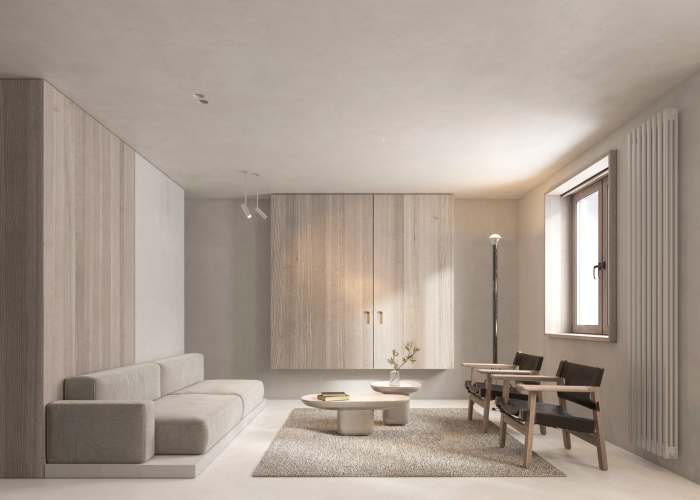
When it comes to modern minimalist design in 2025, sustainability plays a crucial role in creating a harmonious living space that is not only aesthetically pleasing but also environmentally friendly. By incorporating sustainable practices, designers can enhance the functionality and efficiency of minimalist homes while reducing their carbon footprint.
Energy-Efficient Appliances and Systems
In modern minimalist homes, the use of energy-efficient appliances and systems is paramount. From LED lighting fixtures to smart thermostats, these technologies not only help reduce energy consumption but also contribute to the overall sleek and minimalist design aesthetic of the space.
Impact on Design and Functionality
By embracing sustainable practices, modern minimalist homes can achieve a seamless integration of form and function. For example, the use of renewable materials like bamboo flooring or recycled glass countertops not only adds a touch of eco-friendliness but also enhances the overall design appeal of the space.
Additionally, incorporating passive solar design principles can optimize natural light and ventilation, reducing the need for artificial heating and cooling systems.
Summary
As we conclude our exploration of Modern minimalist home design ideas 2025, it is evident that the future of home design is all about embracing minimalism, sustainability, and technological advancements. By incorporating these elements into our living spaces, we can create environments that are not only visually stunning but also conducive to modern living.
FAQ Summary
How can I incorporate technology into a modern minimalist home design?
To integrate technology seamlessly, consider hidden outlets, smart home devices, and minimalist-friendly gadgets that blend with the overall aesthetic.
What are some sustainable materials suitable for modern minimalist designs?
Opt for eco-friendly materials like bamboo, recycled glass, reclaimed wood, and low-VOC paints to maintain a sustainable approach in your design.
How can I create a sense of warmth in a minimalist space?
Use warm, earthy tones in your color scheme, incorporate texture through fabrics and materials, and add subtle lighting elements to create a cozy ambiance.

