

As Interior design tips for energy-efficient homes takes center stage, this opening passage beckons readers into a world crafted with good knowledge, ensuring a reading experience that is both absorbing and distinctly original. The importance of energy-efficient interior design goes beyond aesthetics, impacting the environment and your wallet.
From lighting design to material selection, every aspect plays a crucial role in creating a sustainable living space. Let's delve into some practical tips that can transform your home into an energy-efficient haven.
Importance of Energy-Efficient Interior Design
Energy-efficient homes offer a wide range of benefits, including reduced energy bills, lower carbon footprint, and improved comfort for occupants. Interior design plays a crucial role in achieving energy efficiency by incorporating sustainable materials, optimizing natural light, and enhancing insulation.
Utilizing Natural Light
- Strategic placement of windows and skylights to maximize natural light and reduce the need for artificial lighting.
- Use of light-colored walls and reflective surfaces to enhance the distribution of natural light throughout the space.
Sustainable Materials
- Selection of eco-friendly materials such as bamboo flooring, recycled glass countertops, and low VOC paints to minimize environmental impact.
- Integration of energy-efficient appliances and fixtures, such as LED lighting and smart thermostats, to reduce energy consumption.
Optimizing Insulation
- Proper insulation of walls, floors, and ceilings to prevent heat loss in winter and maintain cool temperatures in summer.
- Sealing gaps and cracks in windows, doors, and ductwork to improve overall energy efficiency and indoor air quality.
Lighting Design for Energy Efficiency
When it comes to creating an energy-efficient home, lighting design plays a crucial role in minimizing electricity consumption while ensuring a well-lit and inviting space.
Utilizing Natural Light
One of the most effective ways to reduce energy usage is by maximizing the use of natural light in your interior design. Consider the placement of windows, skylights, and light wells to allow natural light to illuminate your home during the day.
This not only reduces the need for artificial lighting but also creates a more pleasant and uplifting environment.
Optimizing Artificial Lighting
- Consider using LED bulbs, which are more energy-efficient and have a longer lifespan compared to traditional incandescent bulbs.
- Install dimmer switches to adjust the brightness of your lights according to your needs, saving energy in the process.
- Use motion sensors or timers to automatically turn off lights when they are not in use, preventing unnecessary energy consumption.
Selecting Energy-Efficient Light Fixtures
- Choose light fixtures with the ENERGY STAR label, which indicates that they meet strict energy efficiency guidelines set by the U.S. Environmental Protection Agency.
- Opt for fixtures with adjustable settings or built-in sensors that can adapt to natural light levels and occupancy, further reducing energy waste.
- Consider the color temperature of your light bulbs - warmer tones can create a cozy atmosphere while cooler tones are more suitable for task lighting.
Material Selection for Energy-Efficient Homes
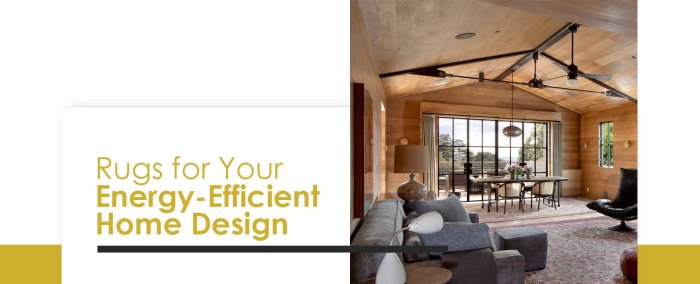
When it comes to creating an energy-efficient home, the choice of materials plays a crucial role. Selecting eco-friendly materials not only helps in reducing energy consumption but also contributes to a healthier environment. Let's explore some sustainable materials that are ideal for interior design in energy-efficient homes.
Eco-Friendly Materials for Energy-Efficient Homes
Choosing the right materials for your home can significantly impact its energy efficiency. Opting for sustainable materials can help reduce energy consumption and promote a more eco-friendly lifestyle. Some examples of eco-friendly materials suitable for energy-efficient homes include:
- Bamboo: Bamboo is a rapidly renewable resource that can be used for flooring, furniture, and decor. It is durable, sustainable, and adds a natural touch to your interior design.
- Recycled Glass: Utilizing recycled glass for countertops, tiles, and other decor elements not only reduces waste but also adds a unique and stylish aesthetic to your home.
- Cork: Cork is a versatile material that is harvested without harming the tree, making it a sustainable choice for flooring, wall coverings, and furniture.
- Reclaimed Wood: Using reclaimed wood for furniture, paneling, and flooring gives a rustic charm to your home while reducing the demand for new timber.
Impact of Material Choice on Energy Consumption
The materials used in interior design can have a significant impact on energy consumption in a home. For instance, proper insulation materials can help regulate indoor temperature, reducing the need for heating and cooling. Additionally, using materials that are sourced sustainably can lower the carbon footprint of your home.
Temperature Control and Insulation
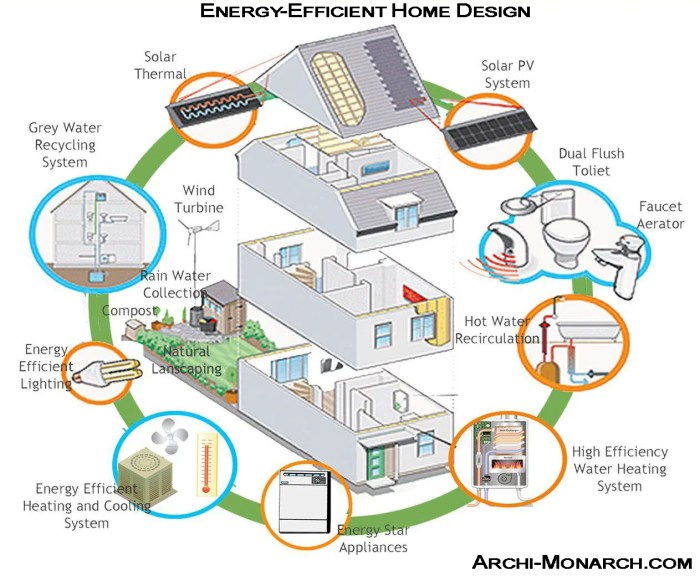
Proper insulation plays a crucial role in improving energy efficiency within homes. By effectively sealing off the interior from exterior temperature fluctuations, insulation helps maintain a comfortable indoor environment while reducing the need for excessive heating or cooling.
Role of Windows and Doors
Windows and doors are common areas where heat transfer occurs, impacting the overall temperature control within a home. To enhance energy efficiency, opt for double or triple-pane windows with low-emissivity coatings to minimize heat loss during colder months and heat gain during warmer months.
Additionally, ensure that doors are properly sealed to prevent drafts and maintain a consistent indoor temperature.
Tips for Maintaining Indoor Temperature
- Utilize curtains or blinds to block out direct sunlight during hot days and retain heat during colder periods.
- Consider installing a programmable thermostat to regulate indoor temperatures based on your schedule and preferences, reducing energy consumption when heating or cooling is unnecessary.
- Seal any gaps or cracks around windows, doors, and other openings to prevent air leaks that can lead to temperature fluctuations and increased energy usage.
- Invest in proper insulation for walls, floors, and attics to create a well-insulated envelope that helps maintain a comfortable indoor temperature with minimal reliance on heating or cooling systems.
- Regularly maintain heating, ventilation, and air conditioning (HVAC) systems to ensure optimal performance and energy efficiency.
Smart Home Technology Integration
Smart home technology integration plays a crucial role in enhancing energy efficiency within homes. By incorporating smart devices, homeowners can effectively manage their energy consumption, leading to cost savings and a more sustainable lifestyle.
Benefits of Automation in Managing Energy Consumption
- Automated control of lighting, heating, and cooling systems can optimize energy usage based on occupancy and preferences, reducing unnecessary energy waste.
- Smart thermostats can learn user patterns and adjust temperature settings accordingly, maximizing comfort while minimizing energy consumption.
- Integration of smart sensors can detect natural light levels and adjust artificial lighting accordingly, reducing electricity usage during daylight hours.
Examples of Smart Technologies for Energy Efficiency
- Smart lighting systems that can be controlled remotely via mobile devices, allowing users to turn off lights in unoccupied rooms or set schedules for lighting based on daily routines.
- Smart plugs that monitor energy usage of connected devices and provide insights to optimize energy consumption, helping users identify and eliminate energy vampires.
- Smart window treatments that automatically adjust based on sunlight intensity and room temperature, reducing the need for artificial lighting and excessive heating or cooling.
Last Word
In conclusion, Interior design tips for energy-efficient homes offer a roadmap to not only enhance the aesthetics of your living space but also contribute to a greener, more sustainable future. By incorporating these strategies, you can enjoy a comfortable and eco-friendly home while reducing your carbon footprint.
Embrace the power of energy-efficient design and make a positive impact on the environment and your daily life.
Question & Answer Hub
How can interior design impact energy efficiency?
Interior design elements such as lighting, material selection, and temperature control can significantly influence the energy efficiency of a home. By incorporating energy-saving features and sustainable materials, you can reduce energy consumption and create a more eco-friendly living space.
What are some examples of smart home technologies for energy efficiency?
Smart thermostats, automated lighting systems, and energy monitoring devices are examples of smart technologies that can be integrated into interior design to enhance energy efficiency. These devices help optimize energy usage and reduce waste.
Why is material selection important for energy-efficient homes?
The materials used in interior design can impact energy consumption through factors like insulation properties and sustainability. Choosing eco-friendly materials that are energy-efficient can contribute to a more sustainable and cost-effective home.

