

Future-proof home design with sustainable materials sets the stage for a forward-looking approach to housing construction. By incorporating eco-friendly elements into the design, homeowners can create spaces that not only benefit the environment but also stand the test of time.
Let's delve into the realm of sustainable building practices and how they shape the homes of the future.
Benefits of Future-Proof Home Design
Future-proof home design focuses on creating living spaces that can adapt and evolve over time to meet changing needs and advancements in technology and sustainability.
Advantages of Sustainable Materials
- Environmental Impact: Sustainable materials reduce the carbon footprint of a home, contributing to a healthier planet.
- Energy Efficiency: These materials often offer better insulation and energy-saving properties, resulting in lower utility bills.
- Durability: Sustainable materials are known for their longevity and resistance to wear and tear, ensuring a longer lifespan for the home.
- Health Benefits: Non-toxic and eco-friendly materials contribute to better indoor air quality, promoting the well-being of occupants.
Increased Property Value
By incorporating future-proof design elements and sustainable materials, a home can attract environmentally conscious buyers and command a higher resale value. The long-term cost savings associated with energy-efficient features and durable materials also make the property more appealing to potential buyers.
Sustainable Materials for Home Construction
When it comes to building a future-proof home with sustainable features, the choice of materials plays a crucial role. Sustainable materials are not only eco-friendly but also offer durability and longevity, making them ideal for constructing long-lasting structures.
Examples of Sustainable Materials
- Bamboo: Known for its rapid growth and renewability, bamboo is a versatile material that can be used for flooring, furniture, and even structural elements.
- Recycled Glass: Utilizing recycled glass for countertops, tiles, and decorative elements reduces waste and conserves natural resources.
- Rammed Earth: A traditional building method that involves compacting earth into strong, durable walls, providing excellent thermal mass properties.
- Cork: Harvested from cork oak trees without harming the environment, cork is a sustainable option for flooring, insulation, and wall coverings.
Environmental Impact Comparison
Traditional building materials like concrete and steel have a significant environmental impact due to high energy consumption and carbon emissions during production. In contrast, sustainable materials often have lower carbon footprints, as they are sourced from renewable or recycled sources.
Durability and Longevity of Sustainable Materials
Sustainable materials are designed to withstand the test of time, offering durability and longevity that surpass many traditional building materials. For example, bamboo can be as strong as steel and has a lifespan comparable to hardwood, making it a sustainable choice for structural elements in a home.
Energy-Efficient Features in Future-Proof Home Design
Energy efficiency plays a crucial role in creating sustainable living environments. By integrating energy-efficient features into future-proof home designs, homeowners can significantly reduce utility costs while minimizing their environmental impact.
Passive Solar Design
Passive solar design is a key feature in energy-efficient home construction. By strategically positioning windows, overhangs, and thermal mass to maximize natural light and heat gain in the winter while providing shading in the summer, homes can reduce the need for artificial heating and cooling systems.
High-Quality Insulation
Proper insulation is essential for energy efficiency. By investing in high-quality insulation materials for walls, roofs, and floors, homes can maintain a comfortable indoor temperature year-round, reducing the reliance on heating and cooling systems and ultimately lowering energy consumption.
Energy-Efficient Appliances
Another crucial aspect of energy-efficient home design is the use of energy-efficient appliances
Solar Panels
Installing solar panels on the roof is a sustainable way to generate electricity and reduce reliance on the grid. By harnessing the power of the sun, homeowners can generate their own clean energy, lower their electricity bills, and reduce their carbon footprint.
Smart Home Technology
Integrating smart home technology, such as programmable thermostats, smart lighting systems, and energy monitoring devices, can help homeowners optimize their energy usage. By remotely controlling and scheduling energy-consuming devices, homeowners can further reduce their energy consumption and costs.
Importance of Energy Efficiency
Energy efficiency is essential for creating a sustainable living environment. By reducing energy consumption, homeowners can lower their carbon footprint, minimize their impact on the environment, and contribute to a more sustainable future for generations to come.
Cost Considerations and Return on Investment
When it comes to incorporating sustainable materials in home design, one of the main concerns for homeowners is the initial cost. Sustainable materials may have a higher upfront cost compared to traditional materials, which can be a deterrent for some individuals.
However, it is essential to look at the bigger picture and consider the long-term savings and return on investment that come with a future-proof design approach.
Long-term Savings and Return on Investment
- Energy Efficiency: Sustainable materials such as high-performance windows, insulation, and energy-efficient appliances can significantly reduce energy consumption over time. This translates to lower utility bills and long-term savings on energy costs.
- Durability: Sustainable materials are often more durable and require less maintenance compared to traditional materials. This means fewer repair and replacement costs in the long run, contributing to overall savings.
- Resale Value: Homes with sustainable features are becoming increasingly desirable in the real estate market. Investing in sustainable materials can increase the resale value of your home, providing a higher return on investment when it comes time to sell.
Balancing Upfront Costs with Long-term Benefits
- Research and Planning: Take the time to research sustainable materials and their long-term benefits. Consider working with a professional architect or designer who specializes in sustainable design to help you make informed decisions.
- Set Priorities: Determine which sustainable features are most important to you based on your budget and long-term goals. You may need to prioritize certain elements while potentially incorporating others at a later stage.
- Financial Incentives: Look into available rebates, tax credits, or financing options for sustainable home improvements. These incentives can help offset the initial costs and improve the overall return on investment.
Summary
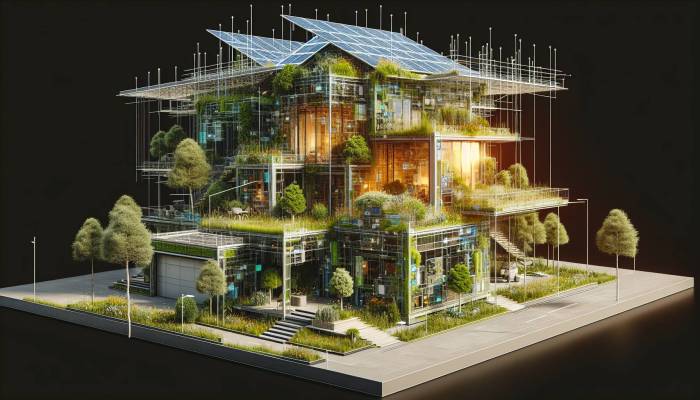
As we wrap up our exploration of future-proof home design with sustainable materials, it's clear that the marriage of innovation and eco-consciousness holds the key to creating lasting, efficient, and environmentally friendly living spaces. By embracing these principles, homeowners can not only enhance their quality of life but also contribute to a greener, more sustainable future for generations to come.
FAQ Compilation
Can future-proof design increase property value?
Yes, future-proof design can enhance property value over time by incorporating sustainable materials that are attractive to eco-conscious buyers.
What are some examples of sustainable materials for home construction?
Examples include bamboo flooring, recycled glass countertops, and reclaimed wood for a more eco-friendly approach to building.
How do energy-efficient features contribute to reducing utility costs?
Energy-efficient features such as solar panels and LED lighting can lower energy consumption, resulting in reduced utility bills over time.

