

As Energy-efficient exterior materials for buildings take center stage, this opening passage beckons readers into a world crafted with good knowledge, ensuring a reading experience that is both absorbing and distinctly original. The focus on energy-efficient materials underscores the importance of sustainable construction practices in today's architectural landscape.
Overview of Energy-Efficient Exterior Materials
Energy-efficient exterior materials play a crucial role in enhancing the sustainability and efficiency of buildings. By choosing the right materials, it is possible to reduce energy consumption, lower utility costs, and minimize environmental impact.
Key Characteristics of Energy-Efficient Exterior Materials
- High Insulation Properties: Energy-efficient materials have excellent insulation capabilities, reducing heat transfer and maintaining a comfortable indoor temperature.
- Durability: These materials are long-lasting and require minimal maintenance, contributing to the overall sustainability of the building.
- Reflectivity: Energy-efficient exterior materials can reflect sunlight, reducing the heat absorbed by the building and lowering cooling needs.
- Air Tightness: Ensuring a tight building envelope helps prevent air leakage, improving energy efficiency and indoor air quality.
Contribution to Sustainability in Construction
Energy-efficient exterior materials are a key component of sustainable construction practices. By reducing energy consumption and greenhouse gas emissions, these materials help minimize the environmental footprint of buildings. Additionally, the longevity and low maintenance requirements of energy-efficient materials contribute to the overall sustainability of the structure.
Types of Energy-Efficient Exterior Materials
When it comes to energy-efficient exterior materials for buildings, there are several options available that can help reduce energy consumption and lower utility costs. Let's explore some of the common types of energy-efficient exterior materials used in construction.
Insulated Concrete
Insulated concrete is a popular choice for energy-efficient exterior walls. It consists of concrete walls with insulation integrated into the structure. This material provides excellent thermal performance, reducing the need for heating and cooling in the building. However, insulated concrete can be more expensive upfront compared to traditional materials.
Green Roofs
Green roofs are another energy-efficient exterior material that offers numerous benefits. These roofs are covered with vegetation, which helps to absorb heat, reduce urban heat island effect, and improve air quality. Green roofs also provide natural insulation, reducing energy consumption for heating and cooling.
Despite their benefits, green roofs can be heavy and require additional structural support.
Cool Roofs
Cool roofs are designed to reflect sunlight and absorb less heat than traditional roofs. This helps to reduce cooling costs in the building by maintaining lower roof temperatures. Cool roofs come in various materials such as reflective coatings, tiles, or shingles.
While cool roofs can be effective in reducing energy use, they may not be suitable for all climates and building designs.Overall, each type of energy-efficient exterior material has its own set of pros and cons. It is essential to consider factors such as cost, climate, building design, and maintenance requirements when choosing the right material for a construction project.
Benefits of Energy-Efficient Exterior Materials
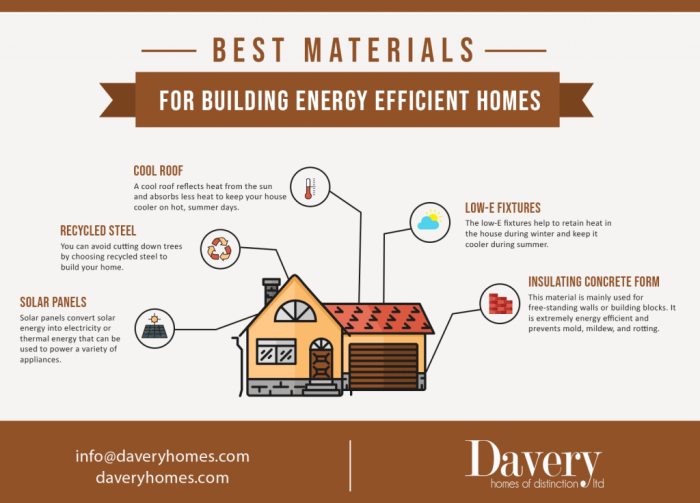
Using energy-efficient exterior materials for buildings offers a wide range of benefits, ranging from cost savings to environmental sustainability. Let's delve into the advantages of opting for these materials.
Cost-Saving Benefits
- Energy-efficient exterior materials help reduce energy consumption, leading to lower utility bills over time.
- These materials often have a longer lifespan, reducing the need for frequent repairs or replacements, resulting in additional cost savings.
- Government incentives and rebates are often available for using energy-efficient materials, further reducing the overall cost of construction or renovation.
Improved Indoor Comfort and Air Quality
- Energy-efficient materials provide better insulation, regulating indoor temperatures and creating a more comfortable living or working environment.
- By preventing air leaks and drafts, these materials help maintain consistent indoor temperatures, enhancing overall comfort levels.
- Improved air quality is achieved as energy-efficient materials reduce the infiltration of pollutants and allergens from the outdoors, creating a healthier indoor environment.
Environmental Benefits
- Energy-efficient exterior materials help reduce carbon emissions by lowering energy consumption, contributing to a healthier environment and combating climate change.
- Using sustainable materials in construction reduces the depletion of natural resources, promoting a more eco-friendly building industry.
- By choosing energy-efficient materials, individuals and businesses can play a part in promoting sustainability and reducing their carbon footprint.
Design Considerations for Energy-Efficient Materials
When incorporating energy-efficient materials in building design, there are several key guidelines to keep in mind to maximize their effectiveness. Optimizing natural light and maximizing insulation properties are crucial aspects to consider for achieving energy efficiency in buildings.
Optimizing Natural Light
One strategy to optimize natural light with energy-efficient materials is to strategically place windows and skylights to allow for maximum daylight penetration. This not only reduces the need for artificial lighting during the day but also helps regulate indoor temperatures by harnessing the sun's warmth.
Maximizing Insulation Properties
To maximize the insulation properties of exterior materials, it is important to choose materials with high R-values, which indicate their ability to resist heat flow. Additionally, ensuring proper installation and sealing of gaps and cracks in the building envelope can significantly improve the overall insulation of the structure.
Conclusion
In conclusion, Energy-efficient exterior materials for buildings offer a promising avenue for enhancing sustainability, reducing costs, and improving indoor environments. By embracing these materials, the construction industry can pave the way for a greener and more energy-efficient future.
Popular Questions
How do energy-efficient exterior materials contribute to sustainability?
Energy-efficient exterior materials help reduce energy consumption, lower carbon footprints, and promote eco-friendly building practices.
What are some common types of energy-efficient exterior materials?
Common types include insulated concrete, green roofs, cool roofs, and high-performance windows.
How do energy-efficient materials improve indoor comfort?
By providing better insulation and temperature regulation, energy-efficient materials enhance indoor comfort levels.
What design considerations are important when using energy-efficient materials?
Considerations include optimizing natural light, maximizing insulation properties, and ensuring proper installation for efficiency.

