

As Best smart home design trends this year take the spotlight, immerse yourself in a world where innovation meets functionality. From smart lighting to sustainable features, this guide explores the latest trends shaping modern homes.
Delve into the realm of smart home design trends this year and discover how technological advancements are revolutionizing the way we live.
Smart Lighting Trends
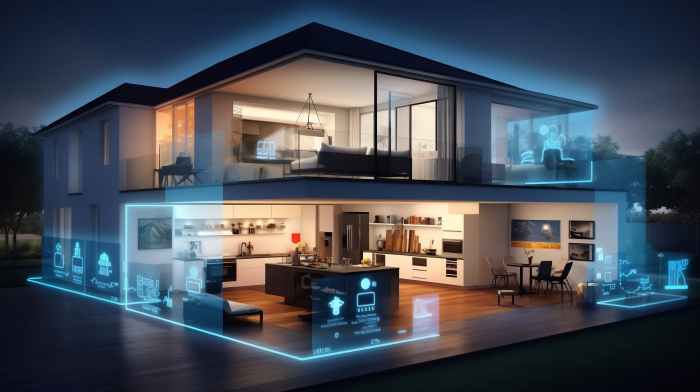
Smart lighting solutions have revolutionized the way we illuminate our homes, offering convenience, energy efficiency, and customization like never before. These systems are designed to enhance the ambiance and functionality of a space, providing endless possibilities for creating the perfect lighting environment.
Comparison of Smart Lighting Systems
- Philips Hue: A popular choice known for its wide range of color options and compatibility with smart home assistants like Alexa and Google Assistant.
- LIFX: Another top contender with vibrant colors, easy setup, and no need for a separate hub, offering a straightforward installation process.
- TP-Link Kasa Smart: Known for its affordability and integration with popular smart home platforms, providing a budget-friendly option for smart lighting.
Home Automation Integration
Integrating various smart devices is essential for creating a cohesive smart home system that enhances convenience and efficiency.
Seamless Integration of Smart Devices
When different smart devices work together seamlessly, it can transform the way you interact with your home. For example:
- Smart thermostats can communicate with smart lighting systems to adjust the lights based on room temperature and occupancy.
- Smart locks can be integrated with security cameras to provide real-time video footage when someone approaches your front door.
- Voice assistants like Amazon Alexa or Google Assistant can control multiple smart devices simultaneously through voice commands.
Optimizing Home Automation for Efficiency
Optimizing home automation not only enhances convenience but also helps in conserving energy. Here are some tips:
- Set schedules for your smart devices to turn on/off based on your daily routine to avoid unnecessary energy consumption.
- Use motion sensors to automatically turn off lights or other devices when no one is present in the room.
- Integrate smart blinds or shades that adjust based on the amount of sunlight entering your home, reducing the need for heating or cooling.
Voice Control and AI Assistants
Voice control and AI assistants play a crucial role in modern smart home design, offering convenience, efficiency, and a seamless user experience. By utilizing voice commands to control various smart devices, homeowners can easily manage their home environment without the need to physically interact with each device.The benefits of using voice control in smart homes are numerous.
Firstly, it enhances accessibility for individuals with mobility issues or disabilities, allowing them to control their environment independently. Additionally, voice control simplifies daily tasks and routines, such as adjusting lighting, setting alarms, or playing music, making the home more efficient and comfortable.Advancements in AI technology have significantly improved the capabilities of home automation systems.
AI assistants, such as Amazon Alexa, Google Assistant, and Apple Siri, can learn user preferences over time, anticipate needs, and provide personalized recommendations
Integration of Voice Control with Smart Devices
- Voice-controlled lighting systems that adjust brightness and color temperature based on user commands.
- Voice-activated thermostats that regulate temperature settings and energy consumption.
- Voice-controlled security systems that monitor home activity and provide real-time alerts.
Sustainable Smart Home Features
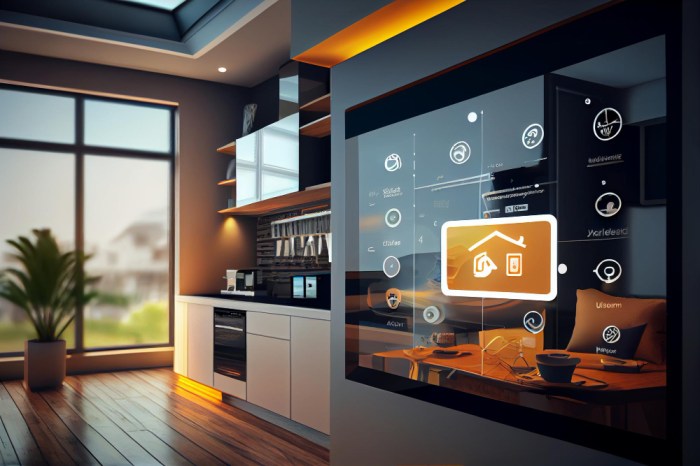
As technology continues to advance, the focus on sustainability in smart home design has become increasingly important. Integrating eco-friendly features into smart homes not only helps reduce environmental impact but also promotes energy efficiency and cost savings for homeowners.
One of the key ways sustainability is integrated into smart home technologies is through the use of energy-efficient devices and systems. By incorporating smart lighting, heating, and cooling systems that can be controlled remotely and optimized for energy savings, homeowners can reduce their overall energy consumption.
Solar Power Integration
One innovative product that promotes sustainability in smart homes is solar panels. Solar power integration allows homeowners to harness renewable energy sources to power their homes, reducing reliance on traditional electricity grids and lowering carbon emissions. With advancements in solar technology, it has become more affordable and efficient to install solar panels on residential properties.
Smart Thermostats and Energy Monitoring
Another sustainable smart home feature is the use of smart thermostats and energy monitoring systems. These devices enable homeowners to track their energy usage in real-time and make adjustments to optimize efficiency. By setting schedules and automating temperature control, smart thermostats can help reduce energy waste and lower utility bills.
Water Conservation Solutions
Innovative products like smart irrigation systems and water-saving fixtures also play a role in promoting sustainability in smart homes. These devices help homeowners monitor and control water usage, leading to reduced water waste and lower utility costs. By integrating water conservation solutions into smart home design, homeowners can contribute to environmental conservation efforts.
Final Summary
From creating the perfect ambiance with smart lighting to embracing eco-friendly solutions, the discussion on Best smart home design trends this year has offered a glimpse into the future of home living. Stay informed, stay inspired, and transform your living space with the latest innovations.
Key Questions Answered
What are some popular smart lighting solutions for homes?
Popular smart lighting solutions include Philips Hue, LIFX, and Nanoleaf, known for their versatility and smart features.
How can home automation integration improve convenience?
Integrating various smart devices allows for seamless control and automation of tasks, enhancing convenience and efficiency in managing your home.
What are the benefits of using voice control for smart devices?
Voice control offers hands-free operation, personalized settings, and easy accessibility, making it a convenient way to interact with smart home devices.
Which eco-friendly smart home design trends are popular this year?
Eco-friendly trends such as solar panels, smart thermostats, and energy-efficient appliances are gaining traction for their sustainability and cost-saving benefits.

