

Exploring the world of low-maintenance exterior cladding options for homes opens up a realm of possibilities. From durability to design, each material tells a unique story waiting to be discovered. Let's delve into the realm of cladding materials and unlock the secrets to a hassle-free exterior maintenance experience.
Types of Low-Maintenance Exterior Cladding Options
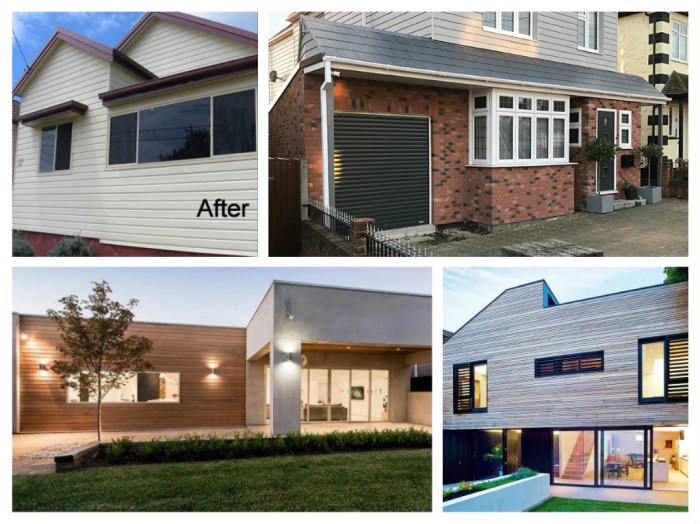
When it comes to choosing low-maintenance exterior cladding for your home, there are several options to consider. Each material has its own unique features, benefits, cost-effectiveness, durability, and lifespan. Let's explore some of the most popular choices available in the market.
Vinyl Siding
Vinyl siding is a popular choice for low-maintenance exterior cladding due to its affordability and ease of maintenance. It is resistant to rot, pests, and water damage, making it a durable option for long-term use. Additionally, vinyl siding comes in a variety of colors and styles to suit different architectural preferences.
Fiber Cement
Fiber cement is another low-maintenance cladding material that offers excellent durability and resistance to harsh weather conditions. It is fire-resistant, insect-proof, and does not rot or warp over time. While fiber cement may have a higher upfront cost compared to other materials, its long lifespan and minimal maintenance requirements make it a cost-effective choice in the long run.
Composite Wood
Composite wood cladding combines the natural look of wood with the durability and low-maintenance benefits of composite materials. It is resistant to rot, moisture, and insects, making it an ideal option for homeowners looking for a wood-like aesthetic without the maintenance hassles.
Composite wood cladding is available in various colors and finishes to match different design preferences.
Aluminum
Aluminum cladding is a lightweight and durable option that requires minimal maintenance. It is resistant to rust, corrosion, and fading, making it a long-lasting choice for exterior applications. While aluminum cladding may have a higher initial cost, its longevity and low maintenance needs make it a cost-effective option for homeowners in the long term.
Brick
Brick cladding is a classic and timeless option that offers exceptional durability and low maintenance requirements. Brick is resistant to fire, pests, and harsh weather conditions, making it a long-lasting choice for homes. While brick may have a higher upfront cost compared to other materials, its durability and low maintenance needs make it a worthwhile investment for homeowners looking for a traditional and low-maintenance cladding option.
Considerations for Choosing Exterior Cladding
When selecting exterior cladding for your home, it is crucial to consider various factors to ensure the durability, energy efficiency, and aesthetic appeal of your property.Explain the importance of considering climate when selecting cladding materials.
Performance in Different Weather Conditions
- For hot and humid climates, materials like vinyl siding or fiber cement are suitable due to their resistance to moisture and mold.
- In colder regions, natural wood or brick cladding provides better insulation and can help retain heat inside the home.
- In areas prone to strong winds or storms, metal cladding such as aluminum or steel offers durability and protection against impact.
Discuss the impact of insulation and energy efficiency when choosing cladding.
Insulation and Energy Efficiency
- Cladding materials with high thermal resistance, like insulated vinyl siding or composite panels, can improve the energy efficiency of your home by reducing heat loss.
- Properly installed cladding can create a thermal barrier, reducing the need for excessive heating or cooling, leading to lower energy bills.
- Consider materials with high R-values to enhance insulation and overall energy performance of your home.
Share insights on how to match cladding materials with architectural styles.
Matching Materials with Architectural Styles
- For modern and contemporary homes, sleek metal cladding or stucco finishes complement the clean lines and minimalist design.
- Traditional or historic properties often pair well with brick or stone cladding to maintain the classic aesthetic.
- Craftsman-style homes may benefit from cedar shake or board-and-batten siding to enhance the rustic charm and character.
Installation and Maintenance Tips
When it comes to low-maintenance exterior cladding options for homes, proper installation and maintenance are essential to ensure the longevity and durability of the materials. In this section, we will discuss best practices for installing low-maintenance cladding materials, maintenance requirements for each type of cladding, tips on cleaning and upkeep, as well as insights on how to repair and replace damaged sections of cladding.
Best Practices for Installing Low-Maintenance Cladding Materials
- Follow manufacturer's guidelines: Always refer to the manufacturer's instructions for proper installation techniques to ensure the cladding is installed correctly.
- Use quality materials: Invest in high-quality materials and tools to ensure a proper installation that will last for years to come.
- Properly prepare the surface: Make sure the surface where the cladding will be installed is clean, dry, and free of any debris or obstacles.
- Consider hiring a professional: If you are not comfortable or experienced with installing cladding, it may be best to hire a professional to ensure the job is done correctly.
Maintenance Requirements for Each Type of Cladding
- Vinyl Cladding: Requires periodic cleaning with mild soap and water to remove dirt and debris. Inspect for any signs of damage or wear and tear.
- Fiber Cement Cladding: Should be inspected annually for cracks or gaps that may allow moisture to penetrate. Repaint as needed to maintain its protective coating.
- Composite Cladding: Regularly clean with a gentle detergent and water to remove dirt and grime. Inspect for any signs of damage and replace damaged sections as necessary.
Tips on Cleaning and Upkeep
- Regularly clean the cladding with a soft brush or cloth to remove dirt and debris.
- Avoid using harsh chemicals or abrasive cleaners that could damage the cladding material.
- Inspect the cladding for any signs of damage, such as cracks, chips, or discoloration, and address them promptly.
Insights on How to Repair and Replace Damaged Sections of Cladding
- For minor damage, such as small cracks or chips, use a patching compound to fill in the damaged area.
- If a larger section of cladding is damaged, carefully remove the damaged piece and replace it with a new one, following manufacturer's guidelines.
- Properly seal all seams and joints to prevent moisture from seeping behind the cladding and causing further damage.
Environmental Impact and Sustainability
When it comes to low-maintenance exterior cladding options for homes, considering the environmental impact and sustainability is crucial. Choosing eco-friendly materials can not only benefit the environment but also contribute to a healthier living space.
Eco-Friendliness of Different Cladding Options
Various low-maintenance cladding options differ in their environmental impact. Some materials, such as fiber cement, recycled plastic, or reclaimed wood, are known for their sustainability and eco-friendliness. These options help reduce the demand for new resources and minimize waste.
Recyclability and Sustainability of Materials
- Fiber cement: Made from a blend of cement, sand, and cellulose fibers, fiber cement is highly durable and recyclable. It is a sustainable choice for exterior cladding.
- Recycled plastic: Using recycled plastic for cladding reduces plastic waste and promotes a circular economy. It is a sustainable alternative to traditional materials.
- Reclaimed wood: Reusing reclaimed wood for cladding not only adds character to your home but also helps preserve forests and reduce carbon emissions associated with new wood production.
Certifications and Ratings for Sustainable Cladding
Look for certifications such as LEED (Leadership in Energy and Environmental Design) or Green Seal when choosing sustainable cladding materials. These certifications ensure that the products meet specific environmental standards and contribute to green building practices.
Contribution to Green Building Practices
Opting for sustainable cladding choices can significantly contribute to green building practices by reducing energy consumption, promoting resource efficiency, and supporting a healthier indoor environment. By selecting environmentally friendly materials, homeowners can play a part in sustainable construction and minimize their ecological footprint.
Closing Notes
As we wrap up our journey through the realm of low-maintenance exterior cladding options for homes, one thing is clear - the right choice can transform not just the look but the longevity of your home. With a plethora of options available, the key lies in finding the perfect match for your style and needs.
Start your cladding adventure today and redefine the future of your home's exterior.
Expert Answers
Are low-maintenance cladding materials more expensive than traditional options?
While the initial cost may be higher, the long-term savings on maintenance make them a cost-effective choice.
Can I install low-maintenance cladding materials myself?
It's recommended to have a professional install them to ensure proper installation and longevity.
Do low-maintenance cladding materials require specialized cleaning products?
Most can be cleaned with regular soap and water, making upkeep hassle-free.
How do I know which cladding material is best suited for my climate?
Consulting with a professional or supplier can help determine the best material for your specific climate conditions.

