

Kicking off with How to design your home office for productivity, this opening paragraph is designed to captivate and engage the readers, providing an insightful look into creating a workspace that enhances efficiency and focus.
As we delve deeper into the intricacies of designing a home office, we'll explore key aspects such as the impact of workspace layout on productivity, the significance of ergonomic furniture, and the importance of personalization.
Importance of a well-designed home office
Having a well-designed home office can significantly impact productivity and overall work efficiency. It provides a dedicated space where you can focus on tasks without distractions, leading to better concentration and output.
Impact on productivity
A well-designed home office contributes to increased productivity by creating a conducive environment for work. Organized spaces with proper lighting, comfortable furniture, and minimal clutter can help you stay focused and motivated throughout the day.
Benefits of a dedicated workspace
Improved work-life balance
Having a separate area for work allows you to mentally switch between work mode and relaxation mode easily.
Increased efficiency
A well-designed home office can help streamline your workflow and optimize your daily tasks.
Boosted creativity
A thoughtfully designed workspace can inspire creativity and innovation, leading to better problem-solving and idea generation.
Examples of improved focus and efficiency
Ergonomic furniture
Investing in a comfortable chair and desk can prevent physical discomfort and promote better posture, leading to increased focus and productivity.
Personalized decor
Adding personal touches to your home office, such as plants, artwork, or motivational quotes, can create a positive and inspiring work environment.
Proper organization
Implementing storage solutions and keeping your workspace tidy can reduce distractions and enhance efficiency during work hours.
Choosing the right location for your home office
When setting up a home office, selecting the right location is crucial for your productivity and overall well-being. The location of your workspace can significantly impact your focus, creativity, and comfort throughout the workday.
The importance of natural light and ventilation
One of the key factors to consider when choosing a location for your home office is access to natural light and ventilation. Natural light not only helps reduce eye strain but also boosts mood and energy levels. Proper ventilation ensures fresh air circulation, creating a more pleasant and healthy work environment.
Factors to consider for a quiet and private space
- Choose a room away from high-traffic areas in your home to minimize distractions.
- Consider using noise-canceling headphones or soundproofing materials if noise is a concern.
- Ensure the space offers privacy, especially if you have online meetings or phone calls.
Tips for separating personal and work areas
It's essential to establish boundaries between your personal and work areas to maintain a healthy work-life balance. Here are some tips to help you create a clear distinction:
- Designate a specific area solely for work-related activities to avoid distractions.
- Create a visual separation using room dividers, curtains, or furniture arrangement.
- Establish set work hours and stick to a routine to signal the start and end of the workday.
Ergonomic furniture and setup
Having ergonomic furniture in your home office is crucial for maintaining good posture and reducing strain on your body. This can greatly impact your productivity and overall well-being.
When it comes to setting up your home office, the height of your desk and chair plays a significant role in ensuring a comfortable and productive work environment. Here are some guidelines to follow:
Ideal Desk and Chair Height
- Ensure that your desk is at a height where your arms can rest comfortably at a 90-degree angle while typing.
- Your chair should allow your feet to rest flat on the ground with your knees at a 90-degree angle.
- Adjust the height of your chair so that your eyes are level with the top of your computer screen to reduce strain on your neck.
Ergonomic Accessories
- Consider using a monitor stand to elevate your screen to eye level and prevent neck strain.
- Invest in a keyboard tray to keep your wrists in a neutral position and reduce the risk of developing carpal tunnel syndrome.
- Use an ergonomic mouse that supports your hand and wrist to prevent discomfort and injuries.
Organizing and decluttering your home office
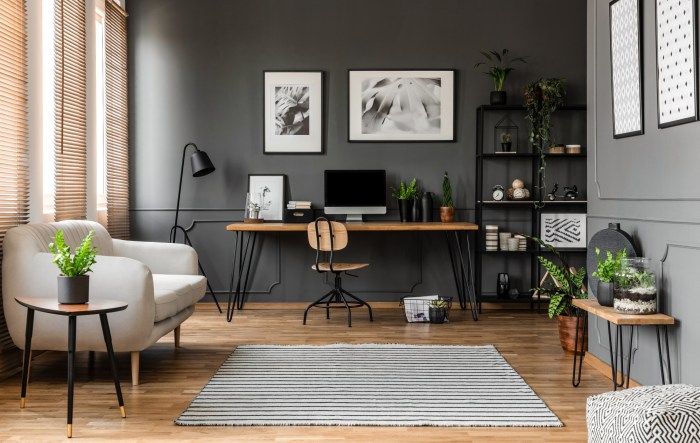
Keeping your home office organized and clutter-free is essential for maintaining focus and productivity. Here are some tips to help you declutter your workspace and create a more efficient work environment:
Minimize distractions by decluttering
- Get rid of items you no longer need or use to create more space on your desk and shelves.
- Organize your supplies and documents in designated storage areas to prevent them from piling up on your workspace.
- Use storage bins or baskets to store small items like pens, paper clips, and cables neatly out of sight.
Benefits of organizing cables and wires
Organizing cables and wires in your home office setup not only improves the overall aesthetics of your workspace but also offers the following benefits:
- Reduces the risk of tripping hazards and accidents in your workspace.
- Makes it easier to identify and access specific cables when needed, saving time and frustration.
- Prevents cable tangling and damage, prolonging the lifespan of your electronic devices.
Storage solutions for a tidy workspace
Investing in storage solutions like shelves or drawer organizers can help keep your workspace tidy and organized. Here are some examples:
- Wall-mounted shelves for books, files, and office supplies to free up desk space.
- Drawer organizers for storing stationery, documents, and small accessories in an orderly manner.
- Cable management boxes or clips to keep cables neatly arranged and hidden from view.
Personalizing your home office
Personalizing your home office is crucial in creating a space that not only reflects your personality but also motivates you to be productive and creative. Adding personal touches can make your work environment more inviting and inspiring, leading to increased focus and efficiency.
Adding Decor Elements
When personalizing your home office, consider incorporating decor elements that speak to your interests and passions. Here are some ideas to help you create a motivating work environment:
- Plants: Adding greenery to your home office can help improve air quality and create a calming atmosphere. Consider placing a few potted plants on your desk or shelves to bring a touch of nature indoors.
- Artwork: Hang up artwork that inspires you or brings you joy. Whether it's a painting, photograph, or motivational poster, surrounding yourself with art can boost your mood and creativity.
- Motivational Quotes: Displaying motivational quotes or affirmations around your home office can serve as daily reminders to stay focused and positive. Choose quotes that resonate with you and place them where you can easily see them throughout the day.
Wrap-Up
Wrapping up our discussion on designing your home office for productivity, we've uncovered essential tips and strategies to optimize your workspace. By implementing these ideas, you can create a conducive environment that boosts your work performance and overall well-being.
FAQs
How can a well-designed home office impact productivity?
A well-designed home office can enhance focus, efficiency, and overall work performance by providing a conducive environment tailored to your needs.
What factors should I consider when choosing the right location for my home office?
Consider natural light, ventilation, privacy, and noise levels when selecting a location for your home office to create a productive workspace.
Why is ergonomic furniture important for a home office?
Ergonomic furniture helps maintain good posture, reduces strain, and promotes a comfortable working environment, ultimately boosting productivity.
How can personalizing my home office enhance productivity?
Personal touches like decor elements, plants, and motivational quotes can create a motivating work environment that inspires creativity and productivity.

